
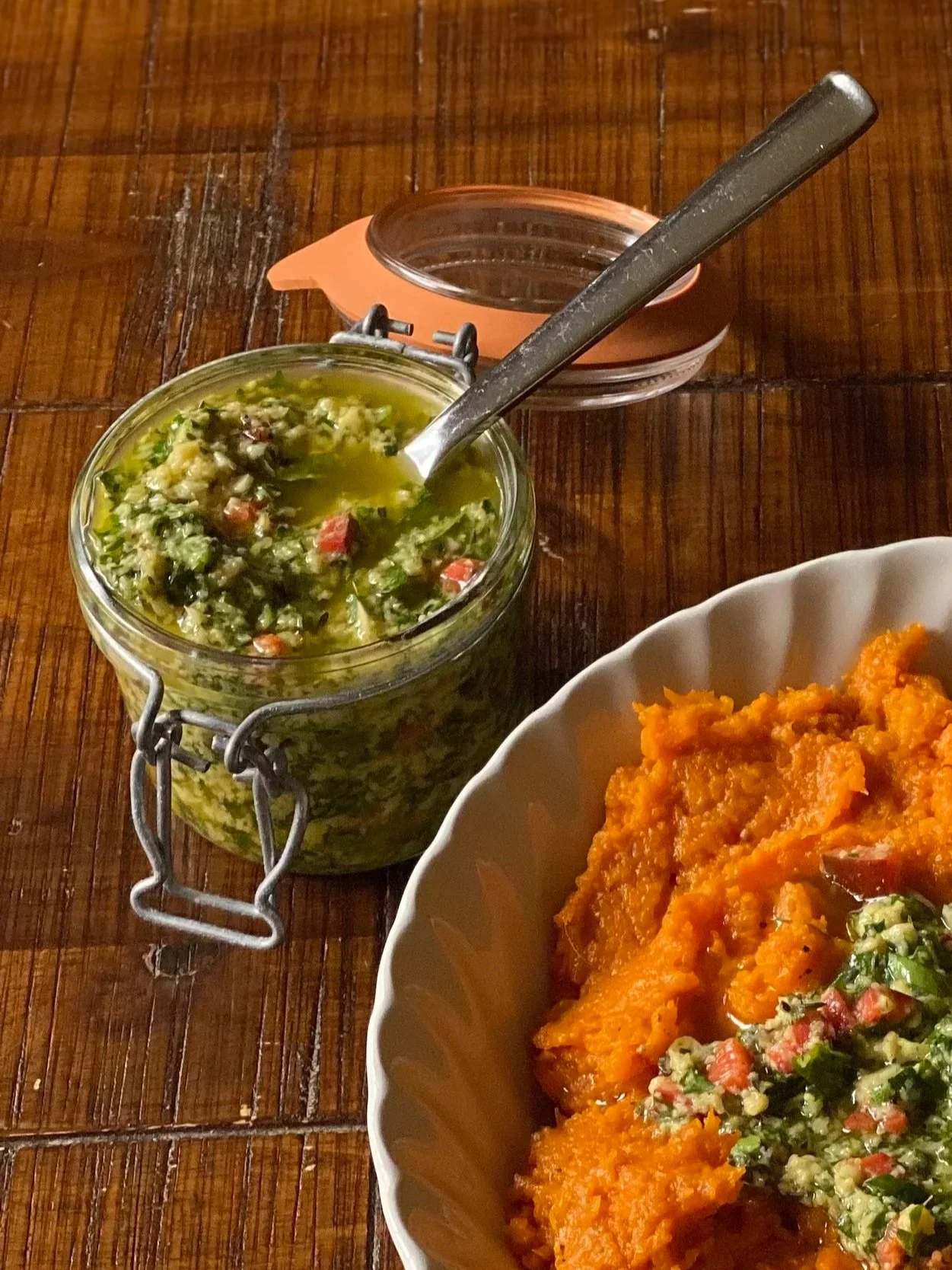
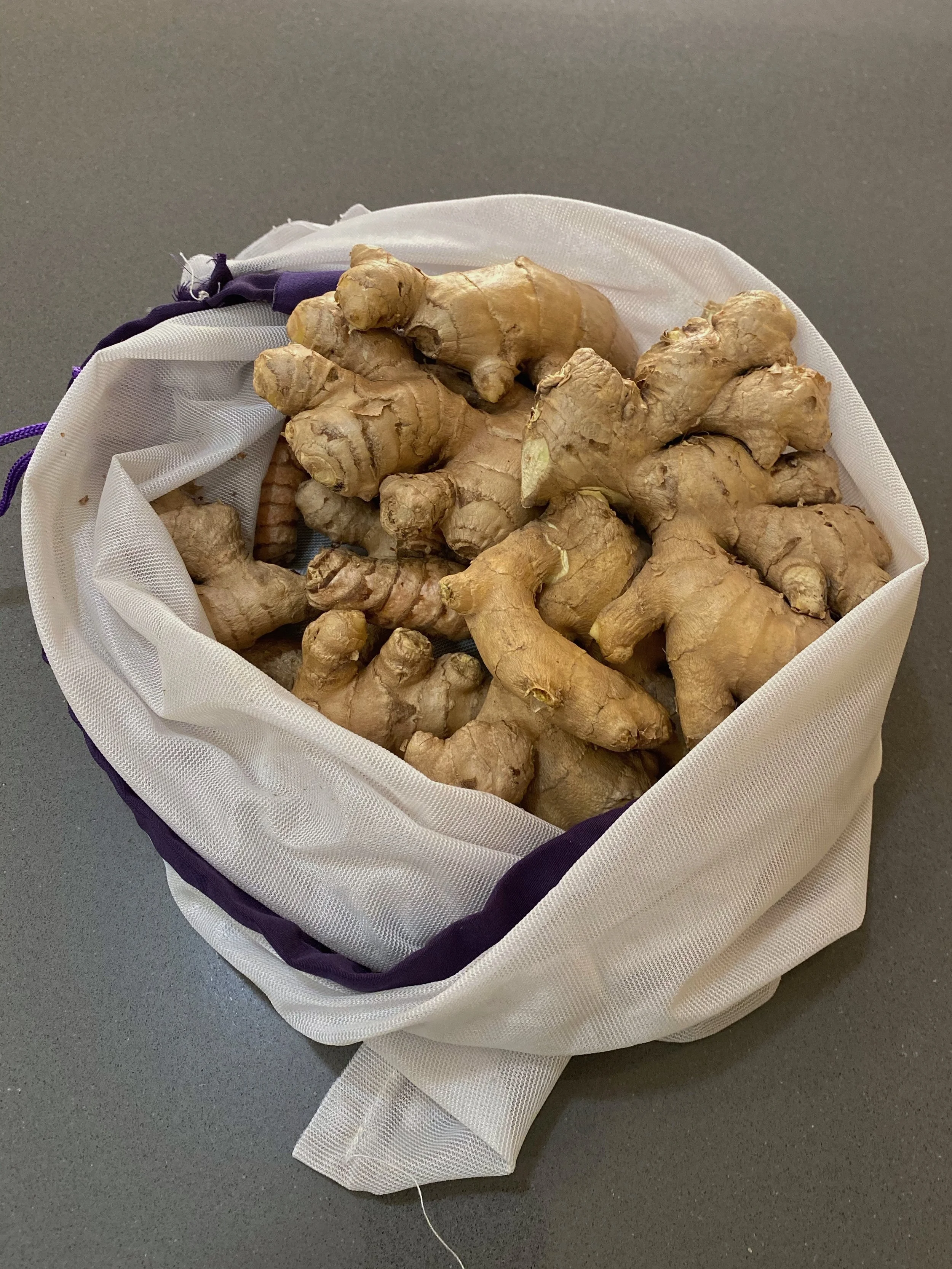
Years ago, faced with a cardboard box overflowing with sweet potatoes and a large bag of fresh ginger from my Windflower Farm CSA share, I set out to create a salty, spicy, and tangy condiment to balance that natural sweetness. That’s how Ginger Miso Chimichurri was born. Today, it’s a staple at my Thanksgiving feast and holiday gatherings, a featured favorite in my Fall Farm-to-Table Date Night Cooking Class, and even a prized trade commodity in my neighborhood, where I swap jars for unique treats my neighbor brings back from Taiwan.
Classic chimichurri originates from Argentina and other South American countries, traditionally featuring a blend of fresh herbs like parsley and oregano combined with hot peppers, olive oil, and vinegar. The comparison to my version stops there. My anything-but-authentic chimichurri also incorporates ginger and white miso paste. This amplifies the savory depth to create a sharp, refreshing contrast to roasted meats, sweet potatoes, and grilled favorites. I also add fresh thyme alongside the parsley to complement our rich, autumn harvest flavors.
The name chimichurri derives from the Basque word tximitxurri, loosely translating to "a mix of things in no particular order". However, when preparing my recipe, the order of steps actually matters quite a bit. Because fresh ginger is involved, you’ll want to blend it finely before introducing the other ingredients.
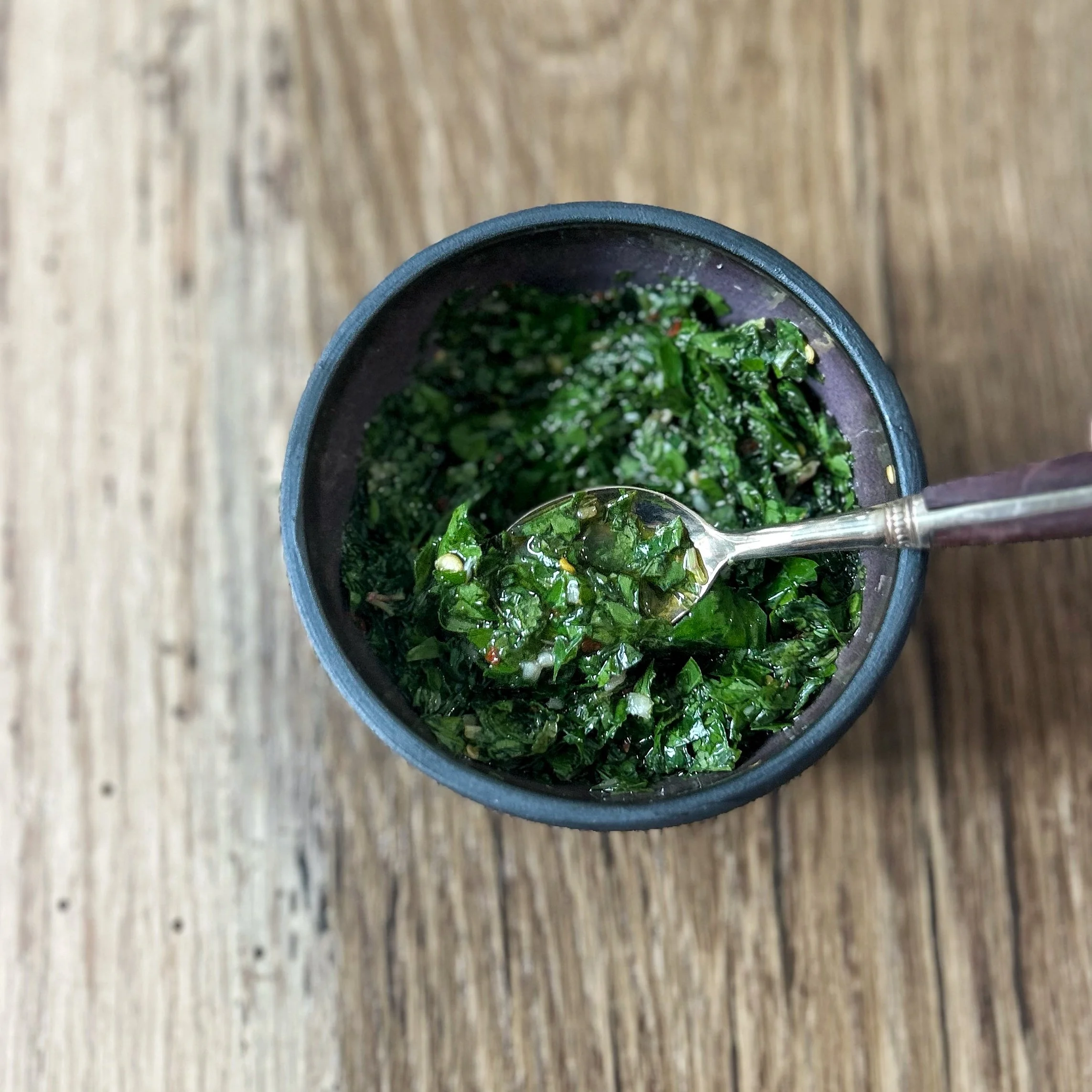
Unlike pesto, chimichurri shouldn't be puréed into a smooth paste; the herbs should remain minced so they retain their distinct texture and visual identity. To achieve this consistency, mince the herbs and garlic by hand, or separately in a food processor first. Use that same small food processor fitted with a sharp blade to purée the ginger and miso paste together until smooth. If you don't have a small food processor, finely grating the ginger root with a microplane or box grater works wonderfully to prevent large chunks.
Finally, combine the smooth ginger-miso base with your minced herbs, garlic, and chili peppers, then stir in the olive oil and apple cider vinegar to bring everything together. The result should be a spoonable, drizzlable condiment with a rich, glossy finish and visible pieces of chili peppers, parsley, and thyme.
Ginger Miso Chimichurri
yeild: about 1 cup
What You Need:
2 cloves garlic, peeled
1 Fresno or similar small red chili like Holland or red jalapeño
½ ounce fresh parsley, leaves only, about ¼ cup minced
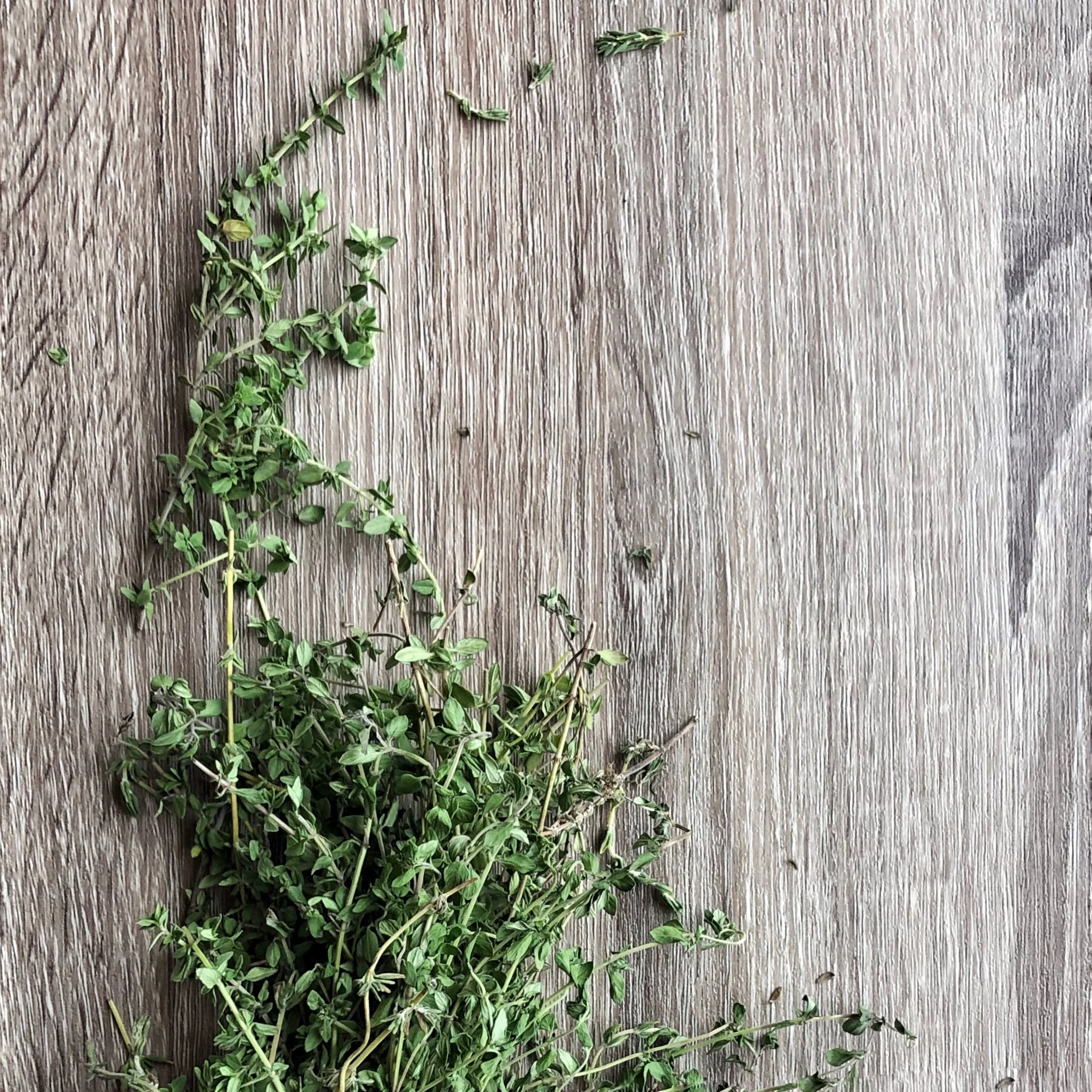
½ ounce fresh thyme, leaves only, about 1½ tablespoons minced
1 ounce ginger root, about ¼ cup peeled and minced
1 tablespoon white miso paste
1-2 tablespoons apple cider vinegar, plus more to taste
¼ cup olive oil
⅛-¼ teaspoon kosher salt to taste
Alternative: substitute ½ teaspoon dried red chili flakes for the fresh chili pepper or omit for a milder version.
What You Do:
In a small food processor, pulse the garlic, chili pepper, parsley, and thyme until finely minced. Remove and set aside.
In the same food processor, blend the ginger with the miso paste until smooth.
Transfer the mixture to a bowl. Stir in the minced garlic, minced chili, parsley, thyme, olive oil, and a few pinches of salt. Stir to combine. Taste and adjust with additional salt or vinegar if needed.
Cover and refrigerate until ready to serve. Chimichurri keeps for up to 4 days in the refrigerator. Bring chimichurri to room temperature before serving.
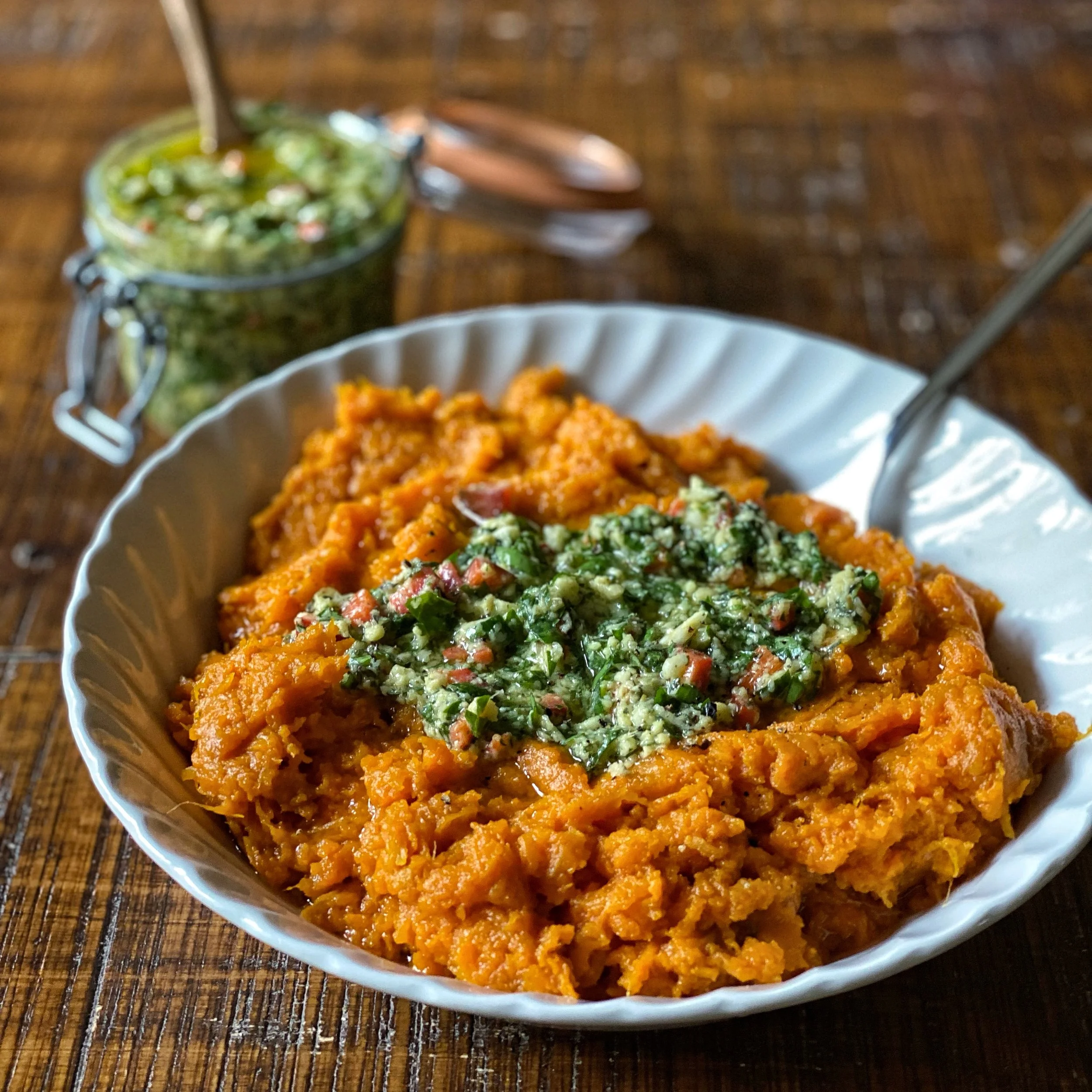
Serving Suggestions:
Mashed Sweet Potatoes
Caramelized Sweet Potato Wedges
Roast Chicken, Turkey or Pork
Grilled Pork Chops or Steak
Grilled or Roasted Vegetables, especially Cauliflower, Brussels Sprouts, Squash or Cabbage
Sandwich Spread (reduce the oil and vinegar slightly or strain first)
Dip for Focaccia or other breads
Dressing: Transform leftovers into a sauce for a grain bowl by thinning with more oil and vinegar and apple cider or orange juice. My favorite includes Farro, Roasted Sweet Potatoes, Pepitas, and dried Cranberries
Sofrito replacement: Use leftovers as the aromatic base for a pot of beans. See below.
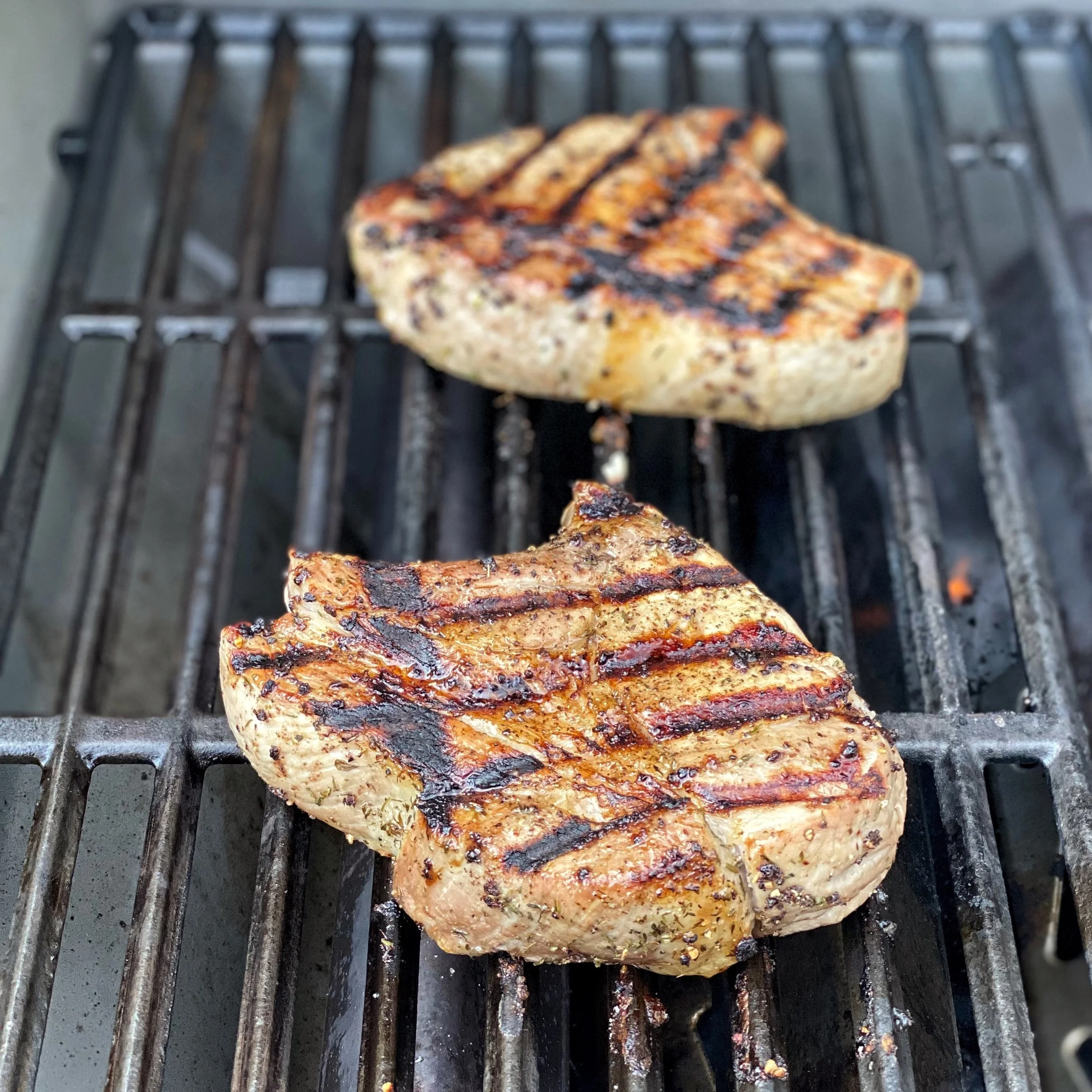
Grilled pork chops are better with Chimichurri.
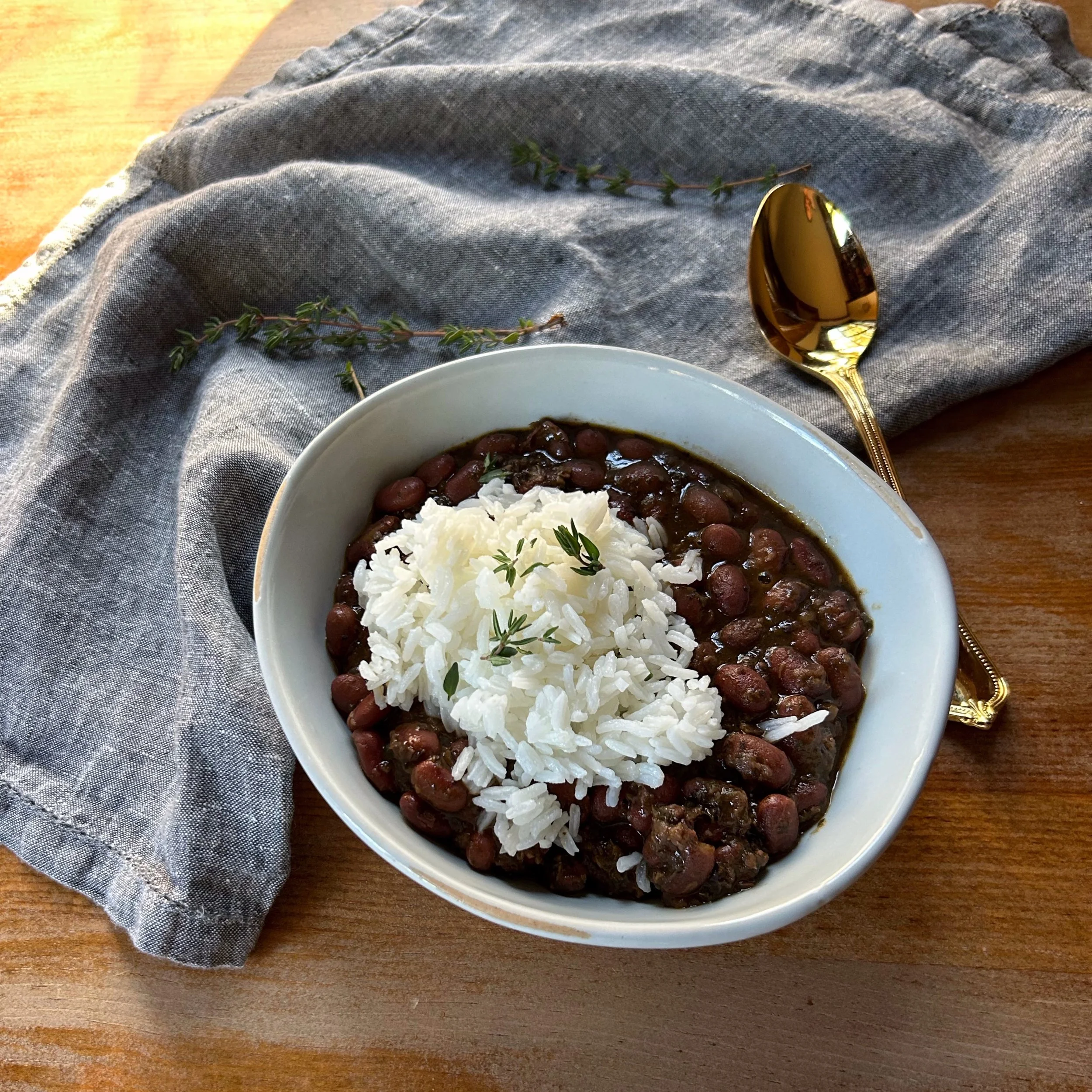
Leftover Chimichurri serves as the aromatic base for the Red Beans.
