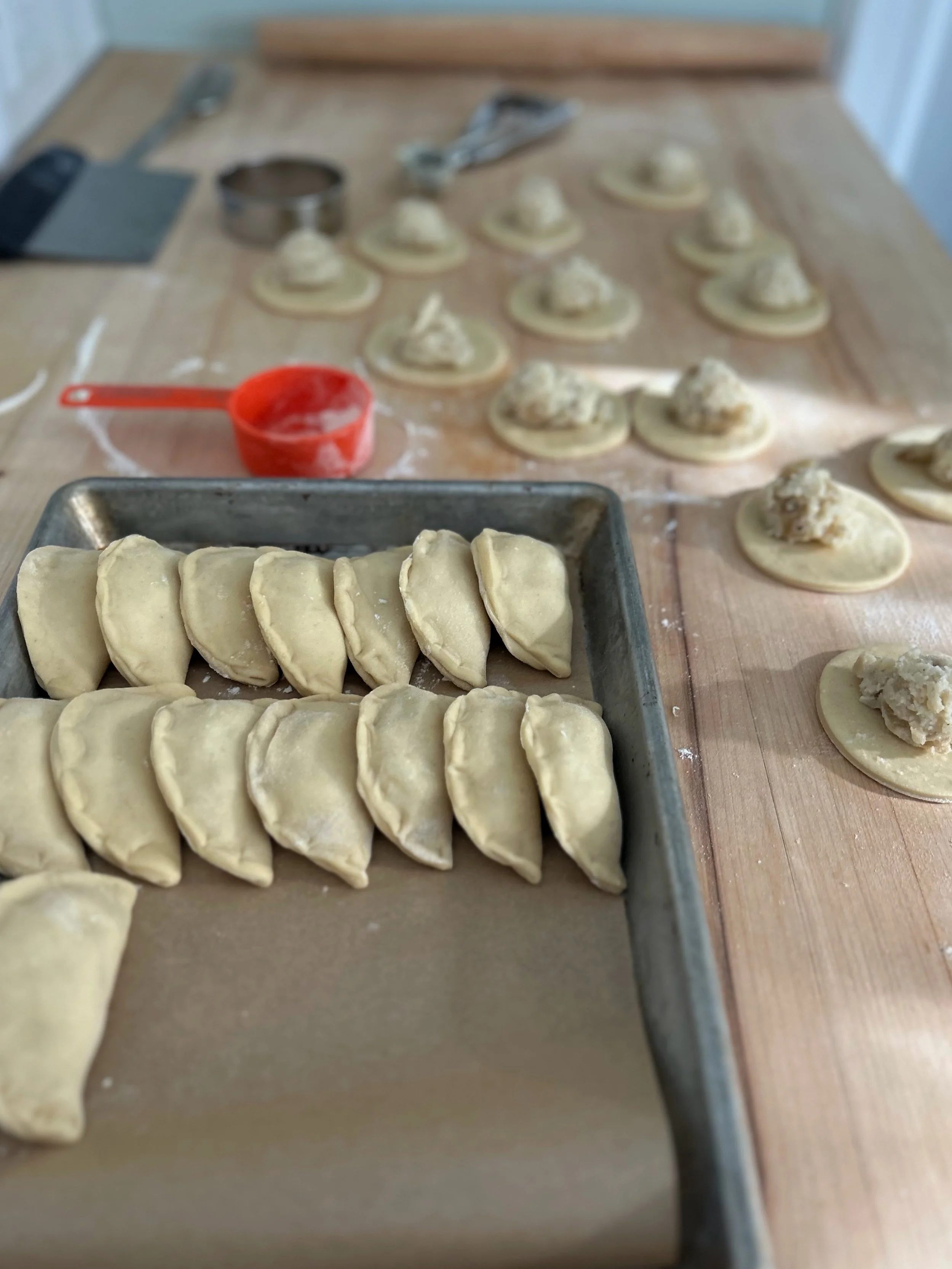
Potato and Onion Pierogi Assembly
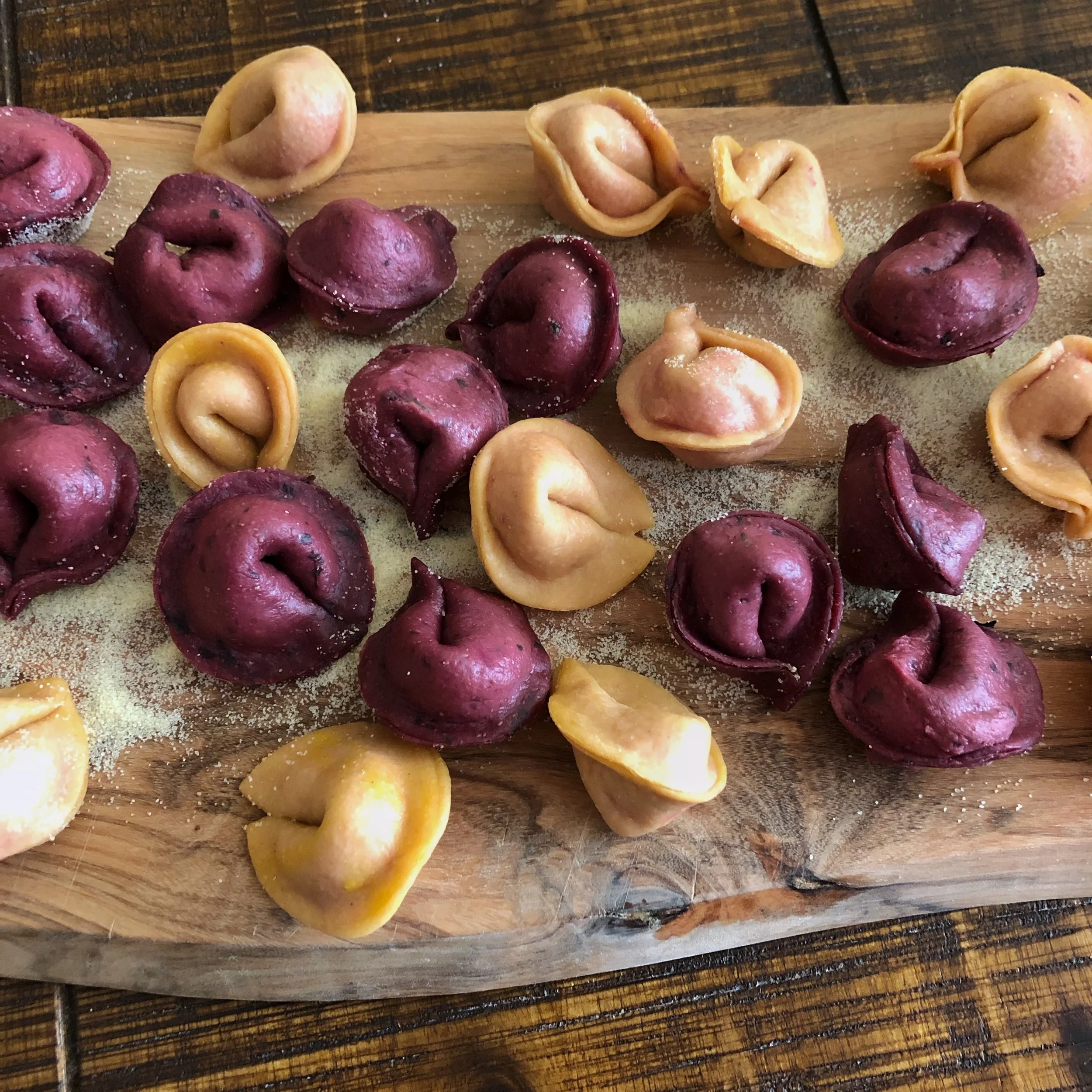
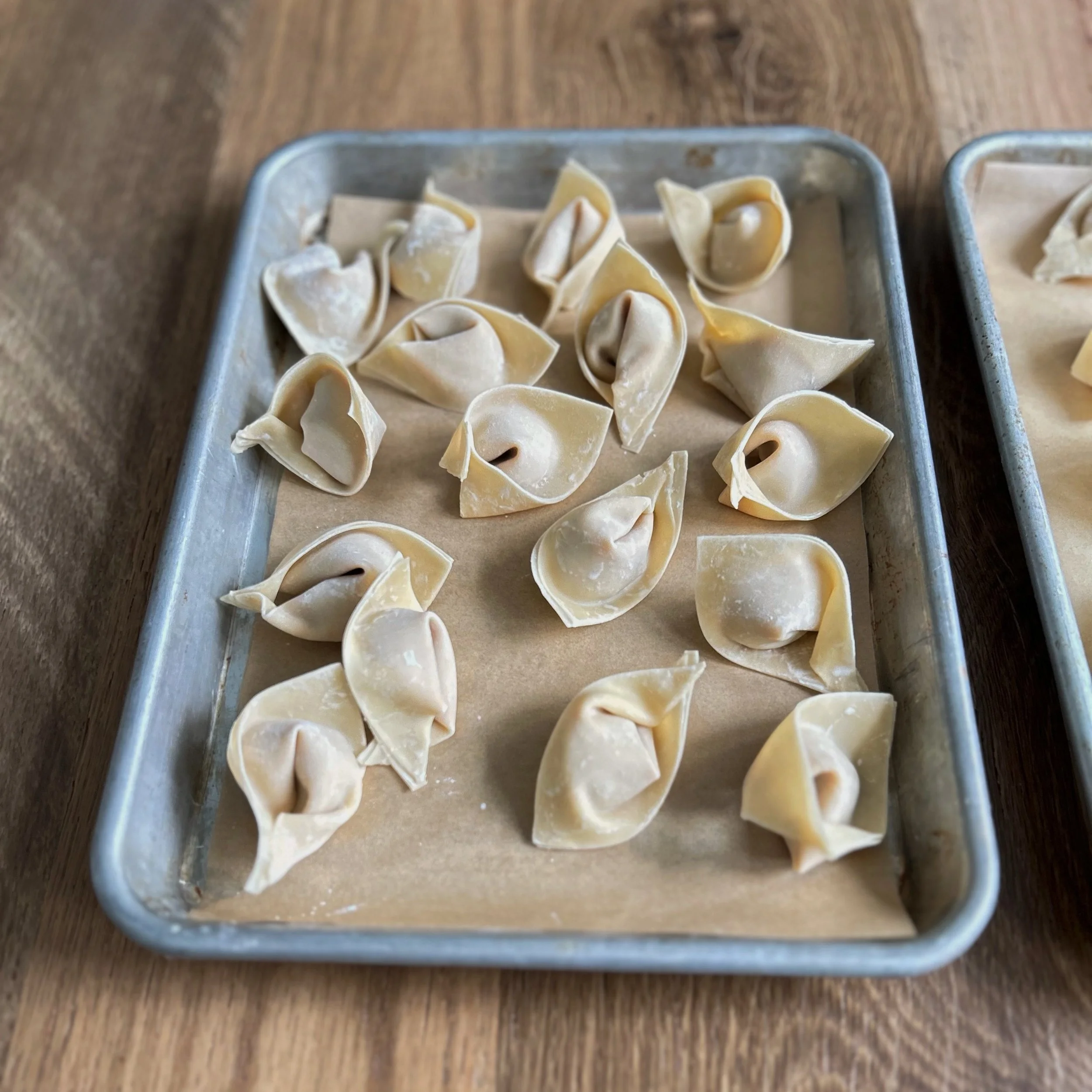
At Teaching Table, we provide lessons on how to prepare a variety of wrapped foods. What started as my creative attempts to transform food scraps and leftovers into appetizing packages evolved into engaging classes for children, and then expanded to include adult classes for those who want to learn how to prepare and enjoy these delicious dishes. Throughout this journey, I have gained extensive knowledge about the art of making ravioli, dumplings, pierogi, empanadas, and more.
If there's one thing I emphasize repeatedly in my wrapped foods classes—whether we're assembling wontons, pierogi, or agnolotti—it’s this: "That’s too much filling!" I always encourage students to “stuff less!” You’ll find that wrapped foods are easier to handle and seal better when you use a modest amount of filling. As you gain more experience, you can experiment with larger amounts of filling, but starting with less can help you overcome many initial challenges.
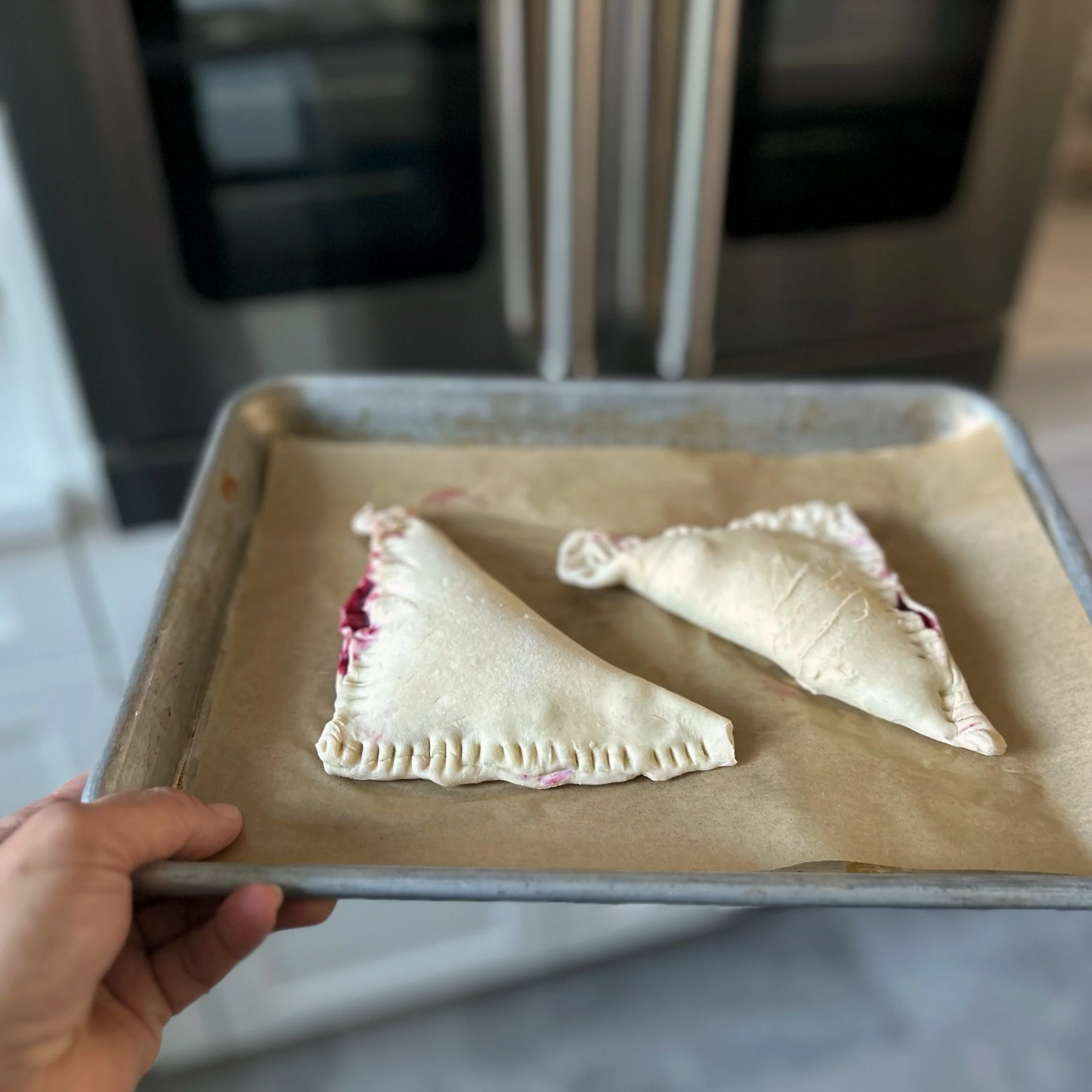
Oops. Overstuffed and overjoyed!
Here are some additional helpful tips that apply to all wrapped foods, ensuring you achieve better results every time, no matter what you’re making:
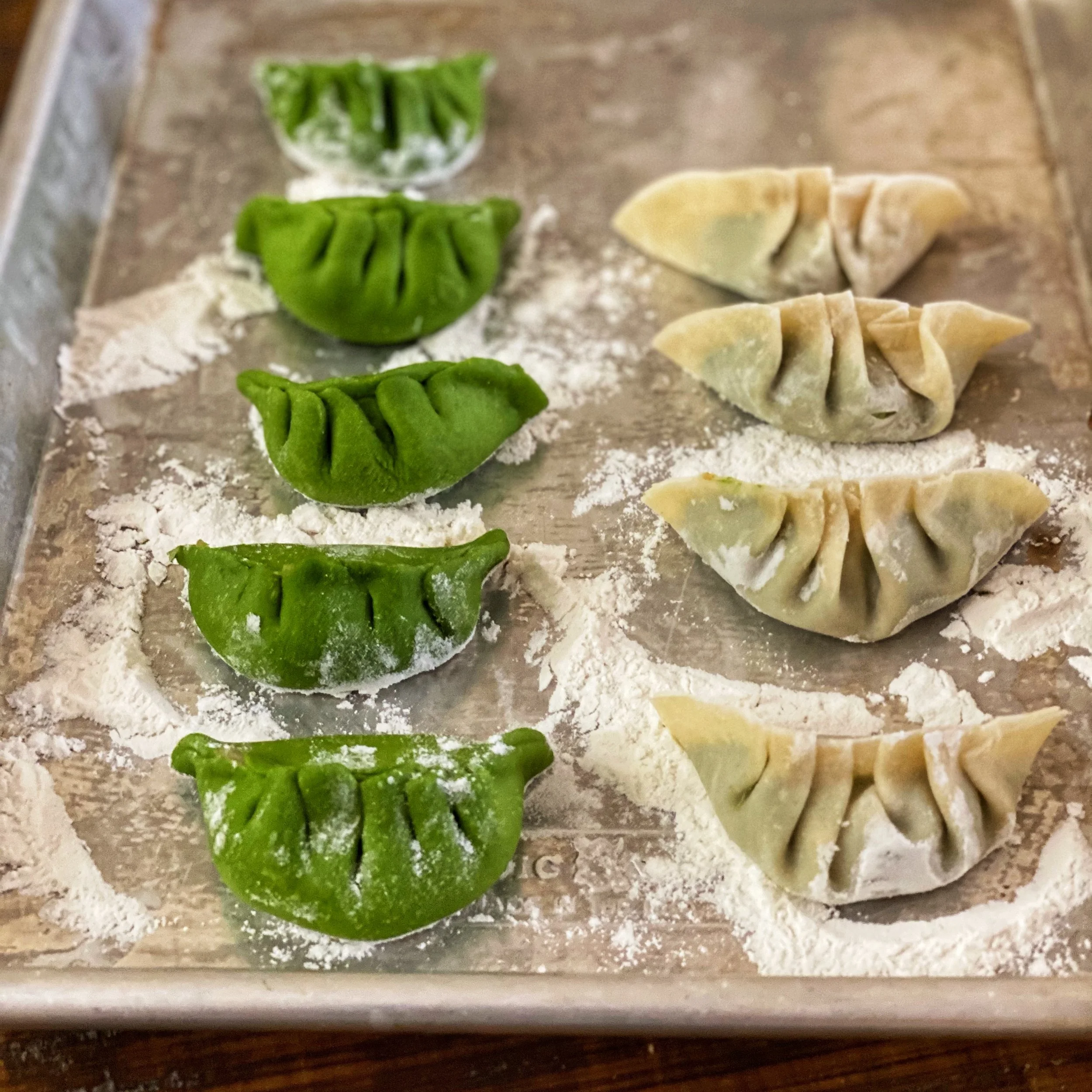
Prepare a floured or parchment-lined surface
This is where you will place the finished products to prevent sticking while they set.
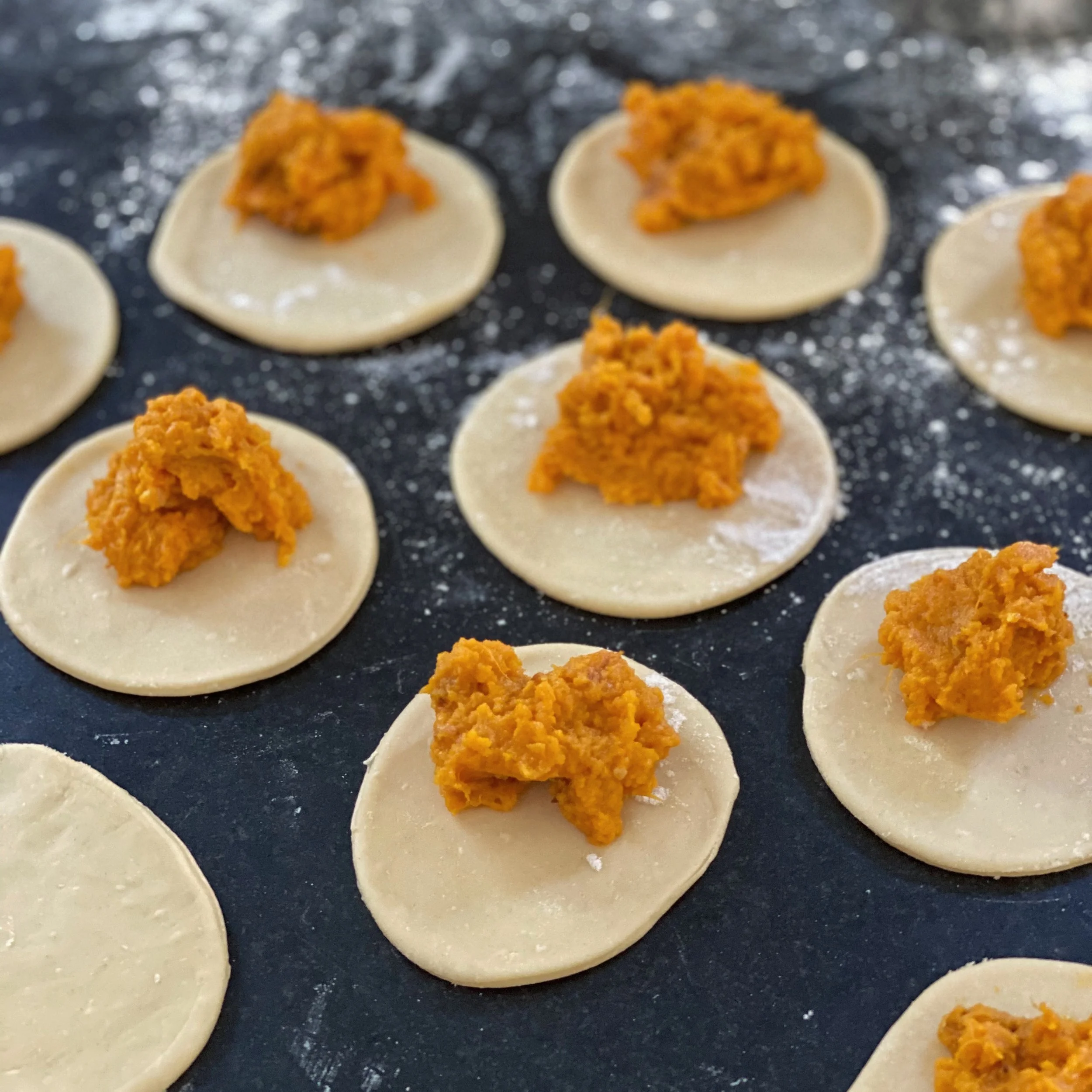
USE cool or room temperature fillings
This prevents the dough from heating up, which is especially important for doughs that contain butter, such as pastry for turnovers or empanadas, but applies to all types of wrappers. To help fillings cool faster, remove from hot pans, spread them in a shallow layer, like on a sheet pan, and place in the fridge or freezer. Stir frequently.
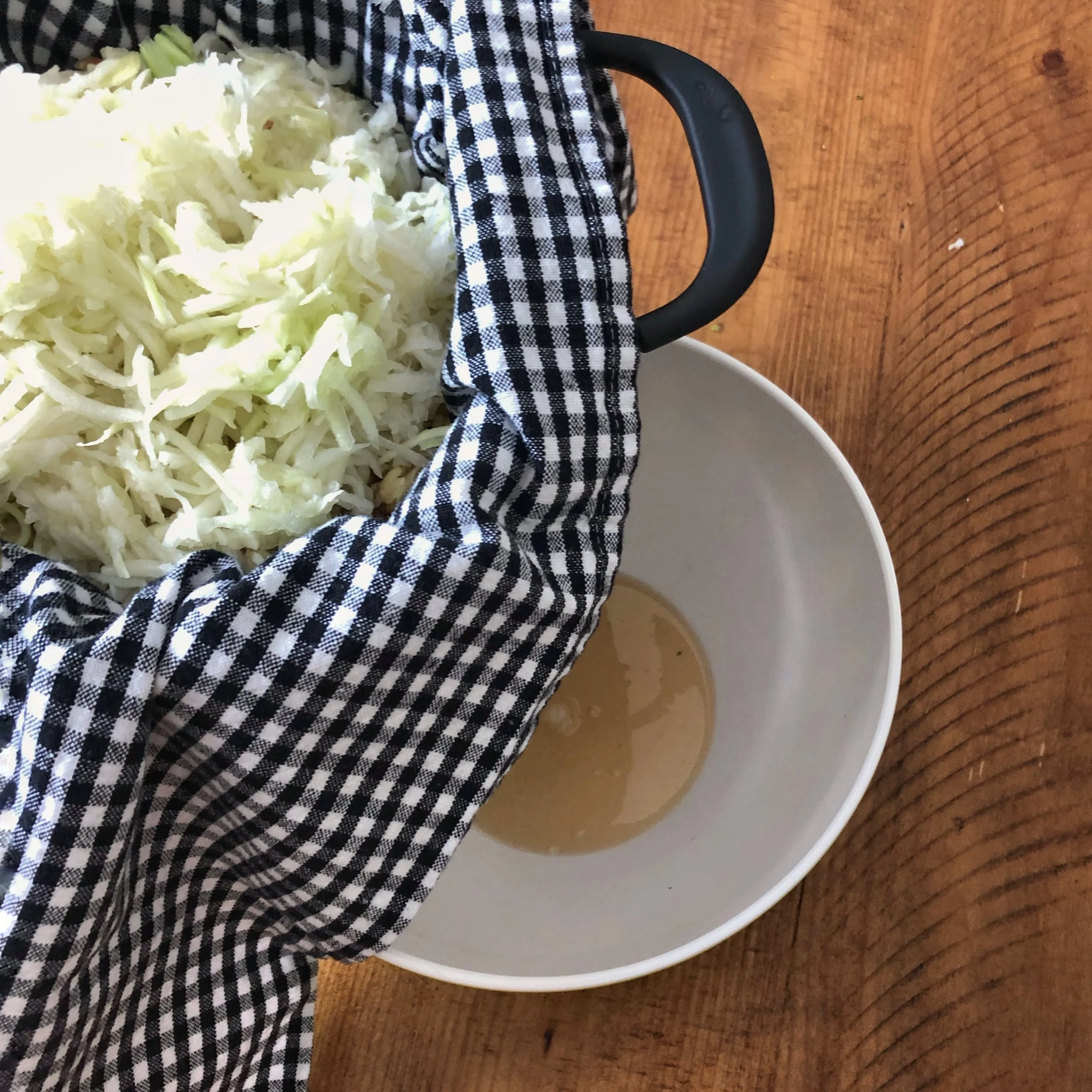
Remove excess liquid from the filling
This may involve pre-cooking or salting vegetables to draw out their moisture, or draining soft cheeses like ricotta through a cheesecloth.
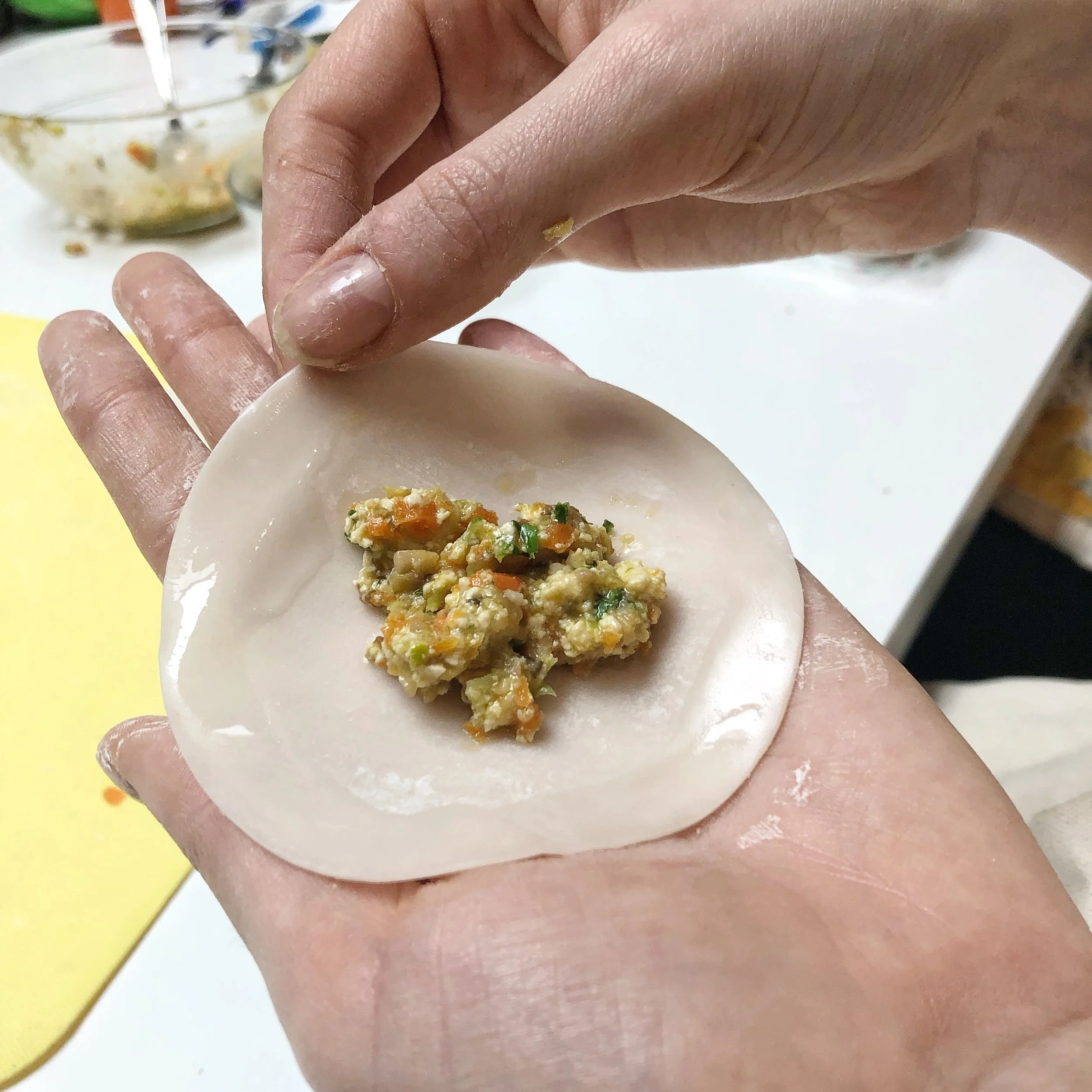
Use or create sticky edges
Moistening the edges of your dough will help create a good seal. Use fresh pastry and pasta dough before it dries, and lightly moisten dry edges with water to create a strong adhesive.
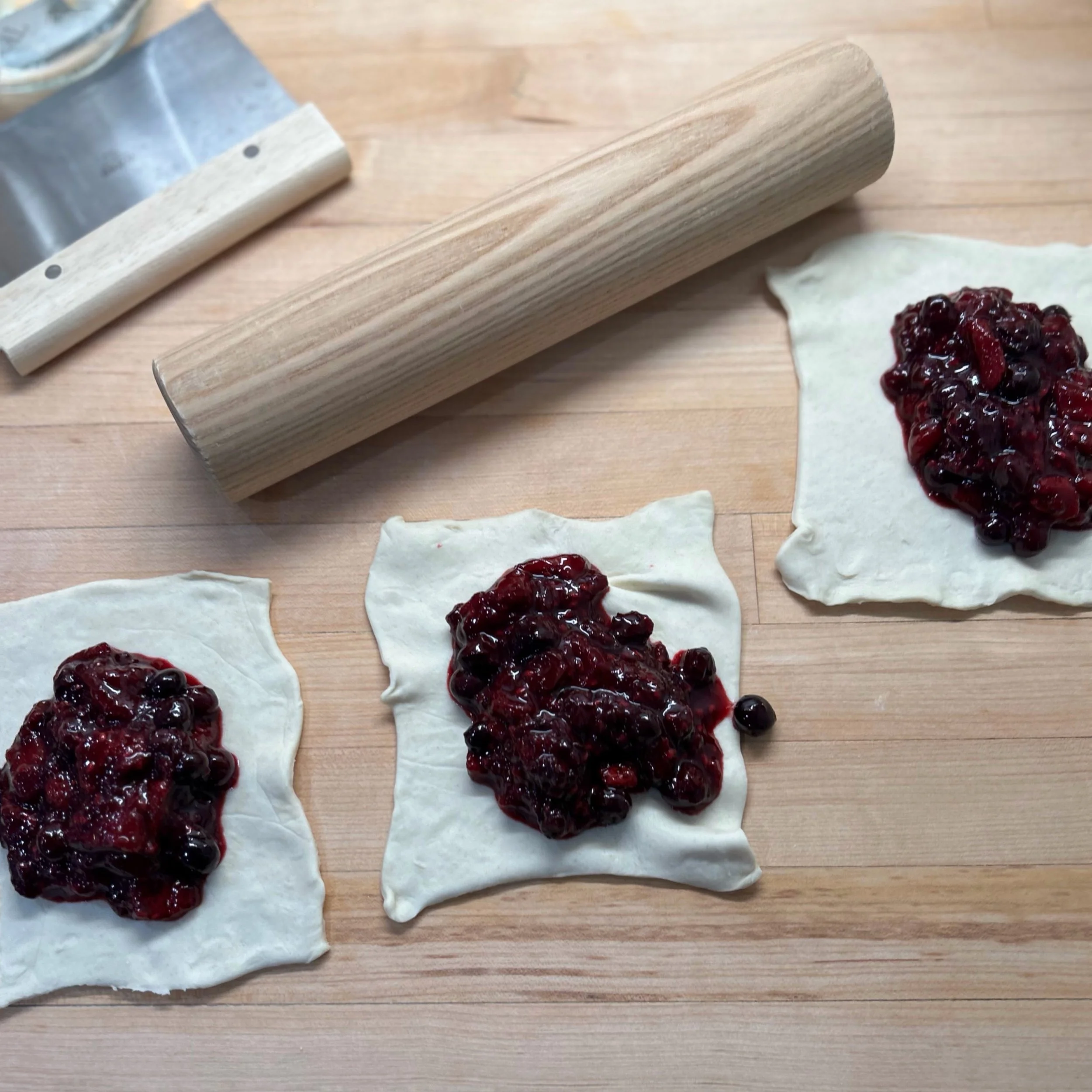
keep filling away from the edges
Make sure the filling does not touch the edges where you plan to seal the dough. If it does, your seal won't be airtight, and the packages could open during cooking, especially when boiled.
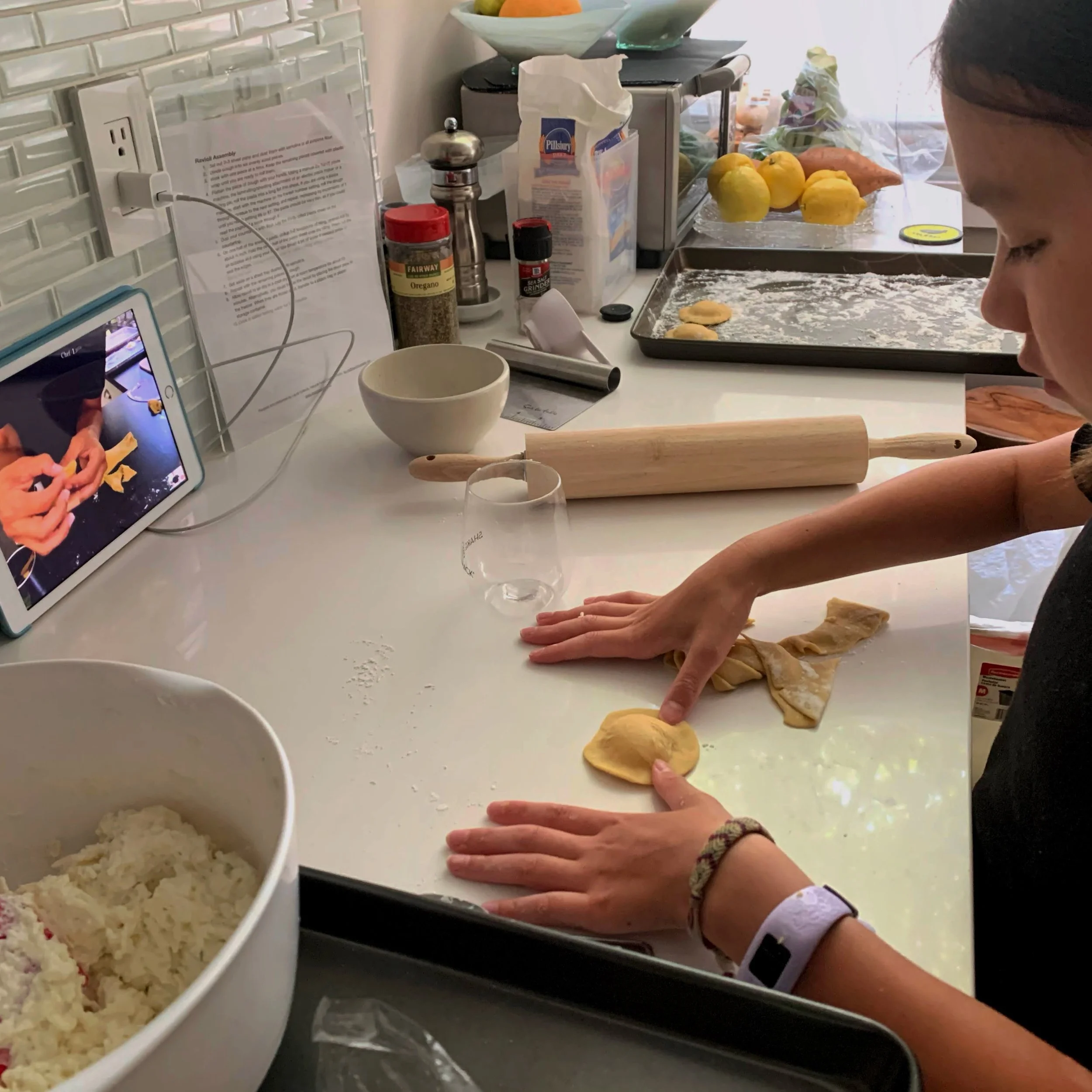
press out the air bubbles
Air pockets can expand during cooking and cause your wrapped foods, such as pierogi and ravioli, to burst or rupture the seal. To remove air pockets, press outward from the filling to the edges before sealing the dough.
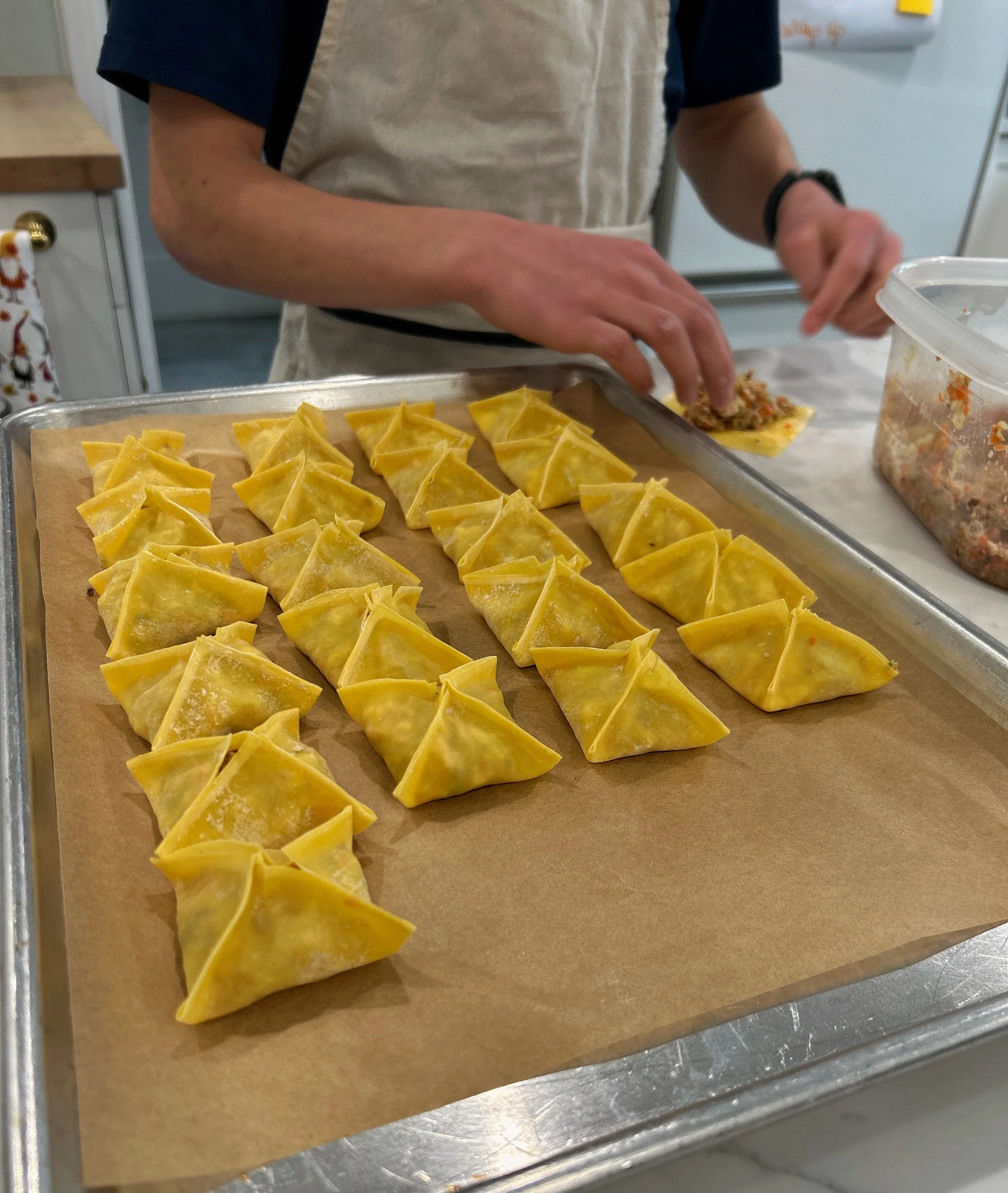
Don’t overstuff the wrappers
This can lead to difficulty when sealing and may cause the wrappers to burst during cooking. You’ll find that wrapped foods are easier to handle and seal when you use a modest amount of filling. As you gain more experience, you can experiment with larger amounts of filling, but starting with less can help you overcome many initial challenges, like weak soggy dough and incompetent seals.
The good news?
No matter what your filled foods look like or if they completely burst open while cooking, they will still taste absolutely delicious. So keep trying!