
I hope to define and explain some confusing baking terms so that your holiday baking everyday baking is a success.
When they are asked to fold egg whites into the Italian Rainbow Cookie dough or mix whipped cream into the zabaglione and mascarpone mixture for Tiramisu, students in my baking classes will occasionally reenact the hilarious scene from *Schitt's Creek*. This scene, with humor, illuminates how inexperienced Moira and David are in the kitchen, yes. However, it also highlights a common issue with recipe writers who assume that all bakers and cooks understand culinary terms. It serves as a helpful reminder, along with the questions I receive from my students, to be clearer in my recipe writing and instructions for bakers of all experience levels.
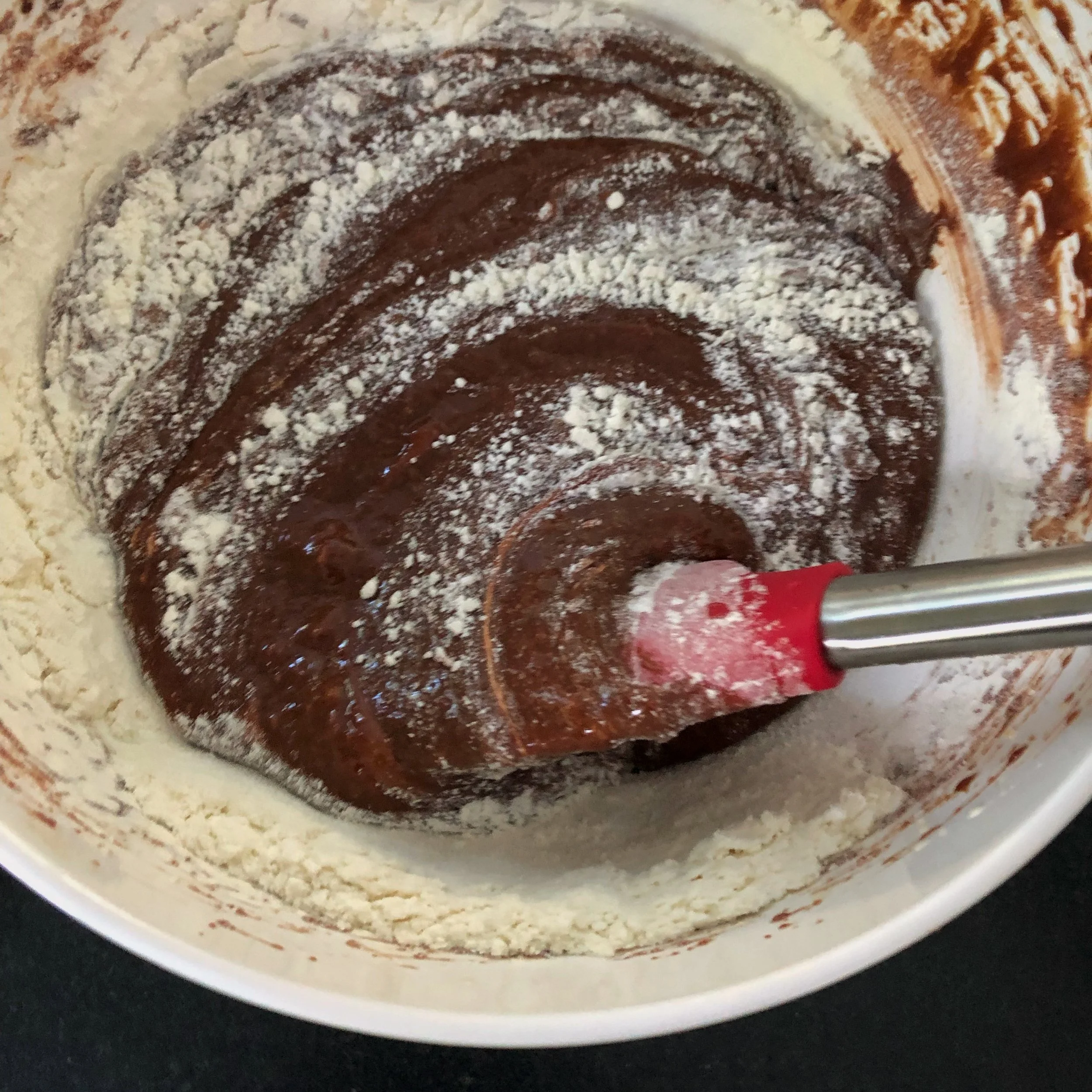
FOLD
While "folding" is simple, it is not intuitive. Many bakers benefit from a demonstration and an explanation of the technique when they encounter it for the first time. More importantly, understanding why you need to fold the ingredients can clarify the method involved in folding. Folding is a gentle way of mixing dough or batter with the intention of avoiding deflation of the ingredients, particularly when working with whipped egg whites or whipped cream, which are essential for trapping air. To fold, first use a flat spatula (not a spoon, never a whisk). Sweep the spatula along the curve of the bowl, moving from the bottom to the top and turning the bowl as you go.
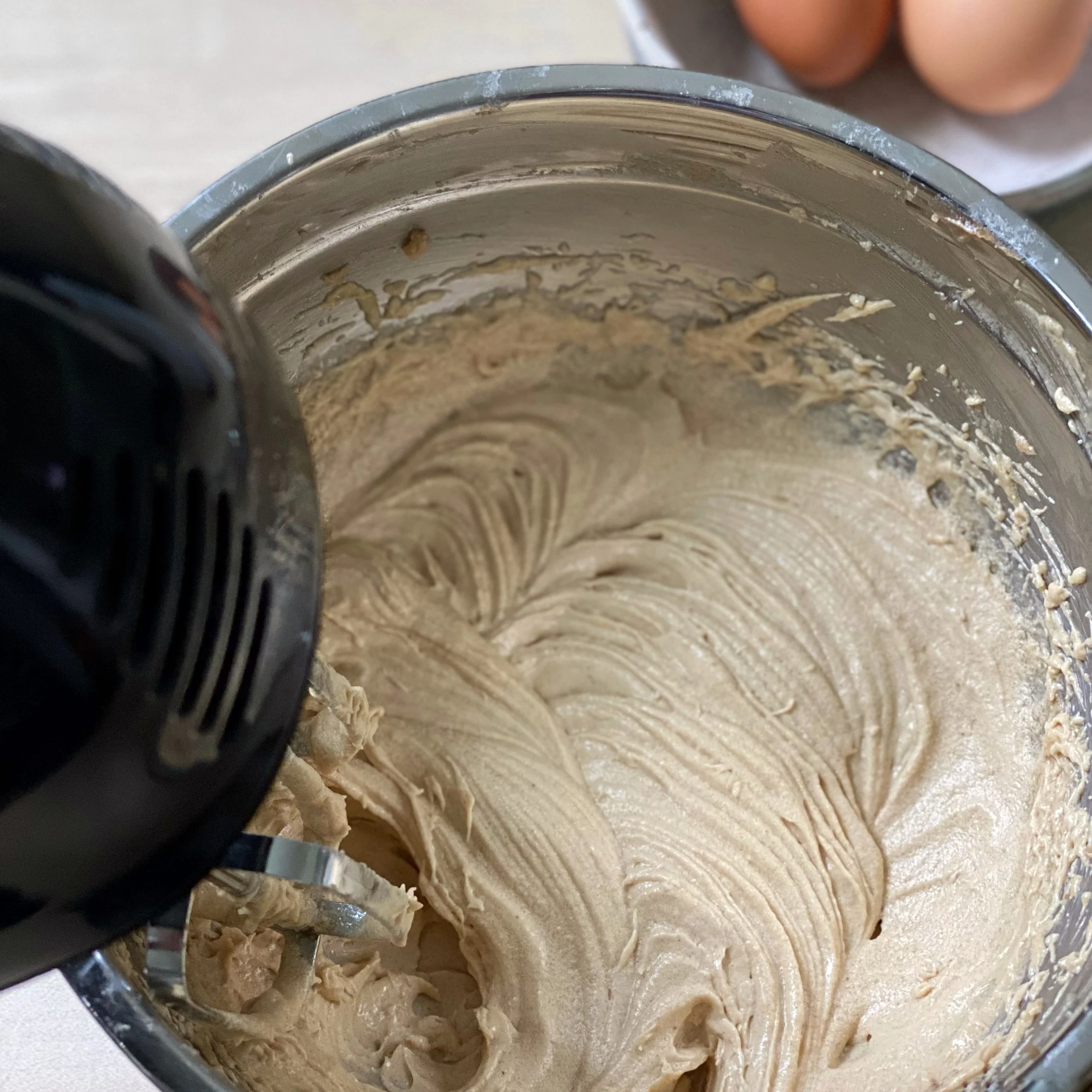
CREAM
This term can be particularly confusing in a recipe because it can be unclear what it means to "cream." Additionally, it often gets mistaken for an actual ingredient. The recipe reader needs to determine whether the word "cream" is being used as a noun or a verb and check if any type of cream (heavy, light, or whipping) is listed among the ingredients.
Once you establish that the verb is instructing you to cream the ingredients—usually butter or a combination of butter and sugar—you should mix them at a high speed using an electric mixer (to save your arms). Continue mixing until the butter and other ingredients become light, fluffy, and creamy in texture. You’ll notice a lighter color compared to the initial state of the butter, as it has incorporated air from the high-speed mixing.
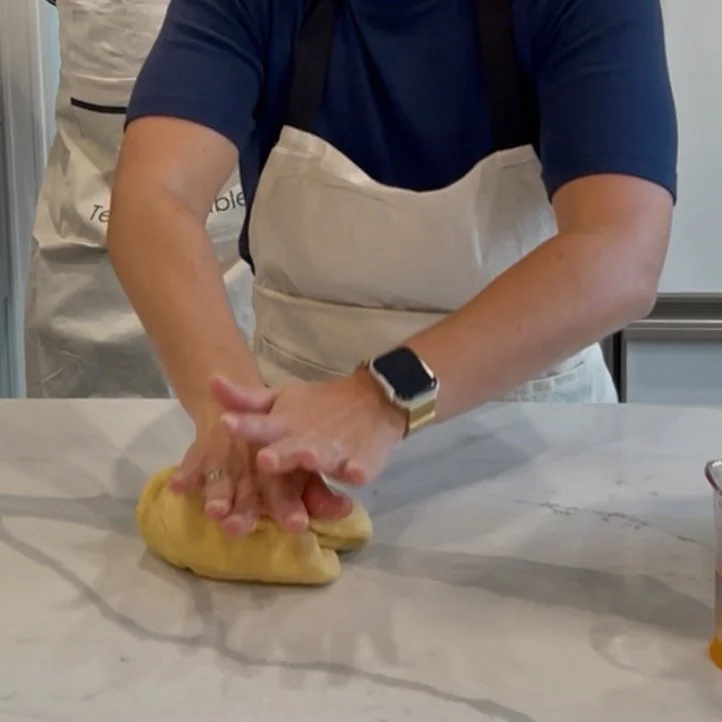
KNEAD
When you knead dough, you are vigorously manipulating it, which is quite the opposite from folding. The goal of kneading is to develop gluten, increasing the strength and elasticity of the dough. My favorite method of kneading involves pushing the dough across the counter with the heels of my hands, then bringing it back in front of me, patting it into a ball, and repeating the process. For doughs that require kneading, it is very unlikely that you can overknead when working by hand.
Dock
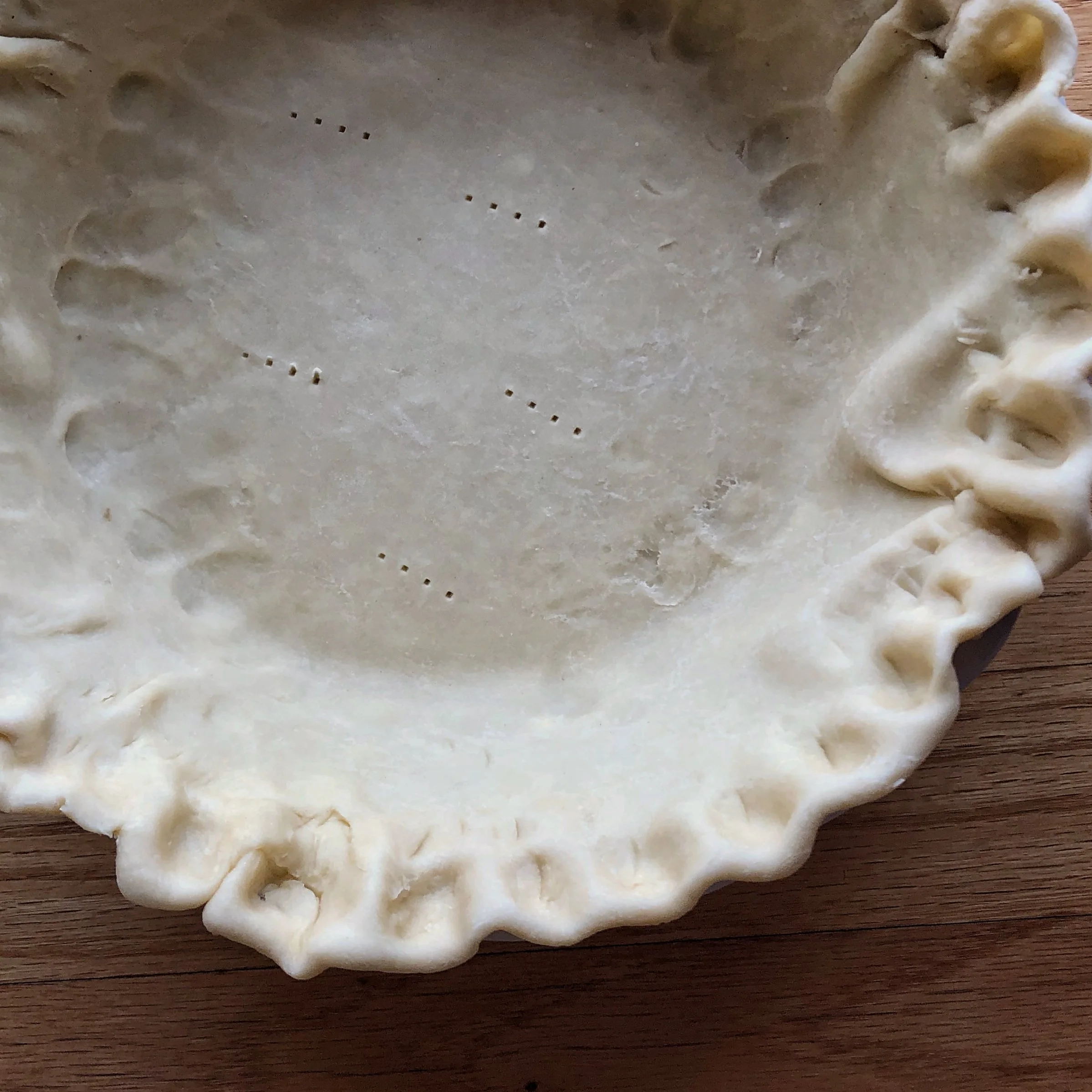
If a recipe instructs you to "dock" the dough, you are likely preparing a pie or something else with a crust. Docking is a process of poking holes, typically with a fork - or a unitasking docking tool, which you do not need - into the rolled out and shaped pie crust in the bottom of your pie pan or tart pan. The purpose of docking is to create spaces for steam and other gases, such as carbon dioxide, to escape while the crust bakes. This process prevents the crust from rising too much or developing large air pockets, ensuring that the baked bottom crust remains relatively flat. Docking can also be used for flatbreads and pizzas to help keep them flat during baking.
Punch Down
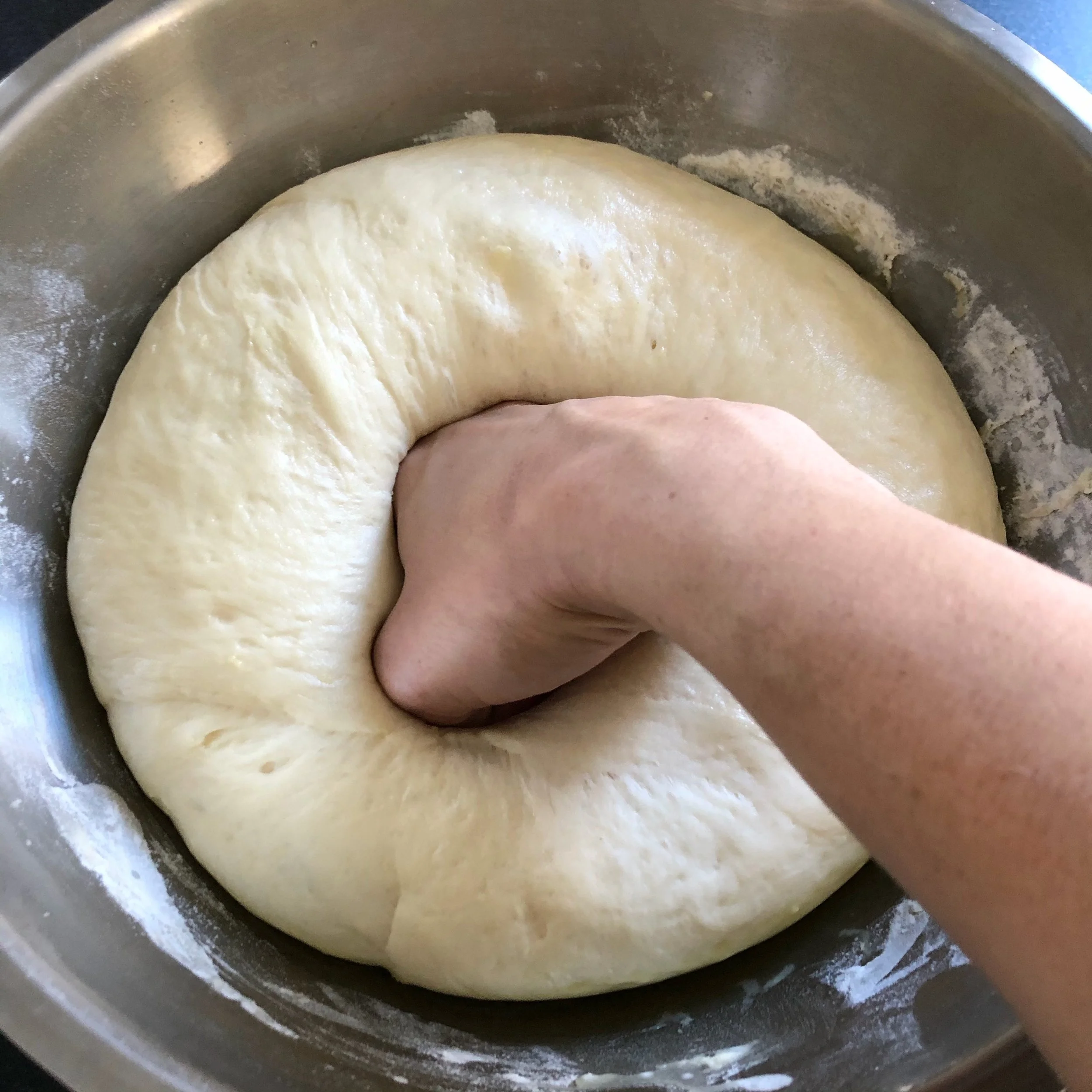
I’m including this because it’s fun, and I love the picture! In some yeasted or risen doughs, such as cinnamon rolls or challah, you might be instructed to "punch down" the dough. This technique is used to deflate some of the carbon dioxide released by the yeast, making the dough more manageable for shaping, rolling out, and filling. Additionally, it redistributes the yeast so that the dough can continue to rise in a second proof. You literally use your fist and punch into the risen dough. It’s a fun process!
